Entry · Ref NQO1N8-Z
How to Choose the Right Niagara Falls Tour Price for Your Trip
- Posted
- 2026-11-25
- Last amended
- 2026-11-25
- Account
- @niagarafallscanadatourinsider
Planning a trip to Niagara Falls is exciting, but figuring out which tour fits your budget can feel like a challenge. The range of options is wide, from basic sightseeing trips to all-inclusive packages. The trick is to match the price to what you actually want to experience, not just the lowest number you see. This article walks through the key steps to pick a tour that gives you good value without surprises.
Step 1: Decide What You Want to See and Do
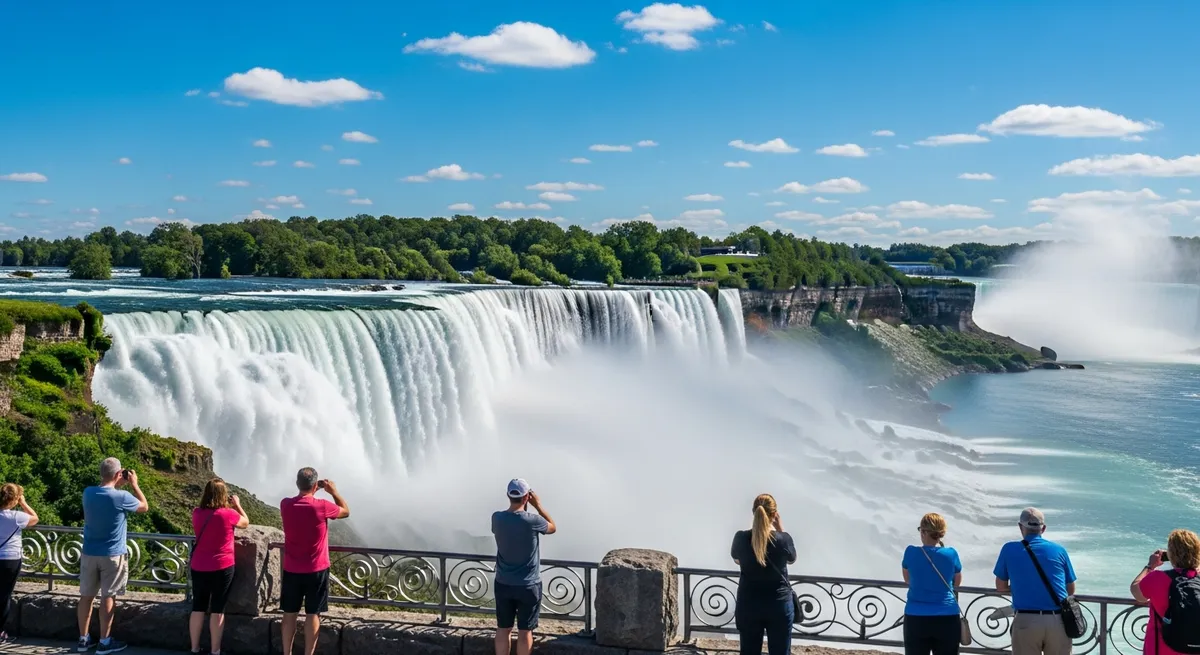
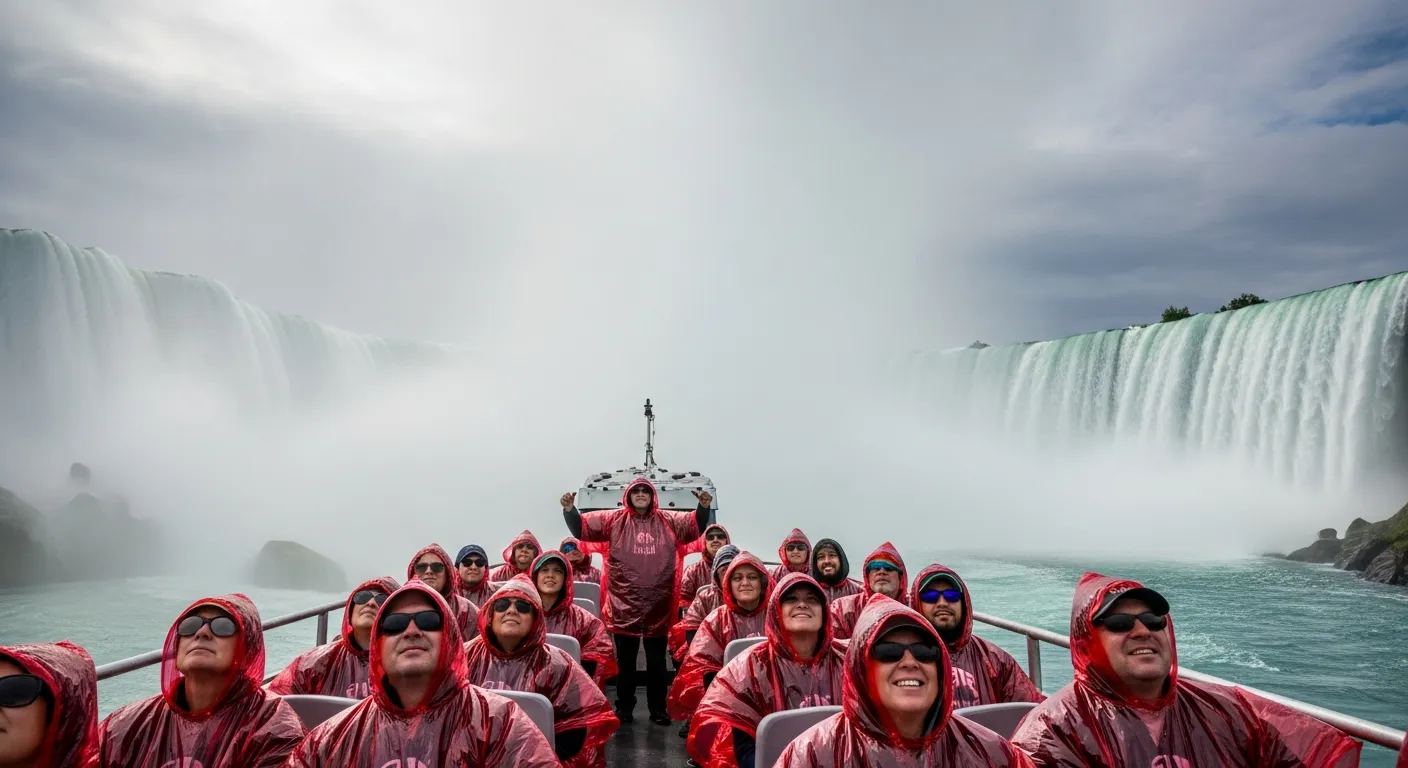
Before you look at any price, know what kind of experience you are after. Niagara Falls offers more than just a view of the water. You might want a boat ride that takes you close to the falls, a guided walk behind the curtain of water, or a helicopter flight above the gorge. Each activity comes with a different cost, and packages bundle them together in various ways.
Think about who is traveling with you. If you have children, a tour that includes the Clifton Hill attractions or a visit to the butterfly conservatory might be more appealing than a long bus tour that stops only at viewpoints. Seniors might prefer a slower pace with fewer stairs and more seating. Knowing your group's needs narrows down the list of tours that are worth considering.
Also consider how much time you have. A half-day tour costs less than a full-day one, but a full-day tour often includes extras like a meal or a visit to a nearby winery. If you only have a few hours, a shorter tour that hits the main overlooks might be the smart choice. Write down your must-sees and your nice-to-haves. That list becomes your filter for the next steps.
Step 2: Compare Package Deals Against Individual Tickets
Once you know what you want, look at how tours package those activities. Some companies sell a package deal that includes the boat ride, entry to the observation deck, and a meal for one price. Buying each component separately often adds up to more. But a package only saves money if you actually use everything in it. If the meal is at a restaurant you do not care about, or the included attraction does not interest you, the package might not be cheaper.
Check what is included in the fine print. Some tours advertise a low base price but then add charges for transportation, parking, or gear like rain ponchos. Others include everything upfront. Compare the total cost of a package with the sum of individual adult ticket prices for the same activities. Do the same for child discounts and senior rates if they apply to your group. Sometimes the package deal has a better child discount than buying separate tickets, sometimes the opposite.
Also watch for online booking fees. Many tour operators add a small charge when you book through their website. This fee is usually modest, but if you are comparing several tours, it can make a difference. A tour that looks cheaper on a comparison site might have a higher booking fee than one sold directly. Always check the final price before you click pay.
Step 3: Factor in the Season and Time of Day
The time of year affects the niagara falls tour price more than almost anything else. During the summer peak, from June to August, prices are at their highest. The same tour that costs a certain amount in May might be significantly more in July. If your schedule is flexible, planning for an off-peak season visit can save you a good amount. Spring and fall offer milder crowds and lower rates, and the falls are just as impressive.
Time of day matters too. Morning tours often cost less than afternoon or sunset tours. Early birds get the benefit of smaller crowds and cooler temperatures, especially in summer. Afternoon tours sometimes include a meal or a sunset view, which adds to the price. Decide whether that premium is worth it for your group. If you are traveling with young children, an early tour might be better for their energy levels and your budget.
Step 4: Understand Currency and Tax Differences
Niagara Falls straddles the border between the United States and Canada. A tour sold in Canadian dollars might look cheaper than one in US dollars, but the exchange rate changes the real cost. When comparing tours, make sure you convert everything to your home currency. A tour that seems like a bargain in Canadian dollars could end up costing more after the exchange rate is applied.
Also be aware of taxes. In Ontario, the Harmonized Sales Tax (HST) is added to most goods and services. Some tours include it in the listed price; others add it at checkout. If you are comparing a tour from a US-based company with one from a Canadian operator, check whether HST is included. The final figure after tax and currency conversion is the number you should use to compare.
Step 5: Read the Fine Print on Cancellations and Refunds
A lower price might come with strict cancellation policies. Some tours offer a full refund if you cancel a week in advance; others give only a credit or nothing at all. If your travel plans are uncertain, a slightly more expensive tour with a flexible refund policy could be better value. Read the terms before you book. Look for phrases like "non-refundable" or "no changes allowed." If you are booking for a large group, check whether the policy applies per ticket or to the whole reservation.
Also check if the tour runs in bad weather. Niagara Falls is beautiful in rain or snow, but some boat tours and helicopter rides are suspended during storms. A tour that does not offer a refund for weather-related cancellations leaves you with a loss. A company that reschedules or refunds in those cases is worth paying a little extra for.
Insurance is another consideration. Some tour operators sell their own travel insurance, or you can buy a separate policy. If the tour is expensive or non-refundable, insurance can protect your investment. Compare the cost of insurance against the risk of cancellation. For a low-cost tour, the premium might not be worth it. For a high-end package, it often is.

Ultimately, the right niagara falls tour price is the one that matches your priorities. Start with your must-see activities, compare packages against individual purchases, account for season and exchange rates, and check the cancellation policy. Avoid the trap of choosing solely by the lowest number. A tour that seems cheap can become expensive if you have to add extras or lose your money due to a cancellation. A tour that costs a bit more but includes everything you want and offers flexible terms is the better deal in the end.
Take your time comparing a few options. Write down the total cost for each tour in your own currency, including taxes and fees. That clear side-by-side view makes the decision straightforward. Whether you are traveling with family, as a couple, or solo, a little planning upfront ensures you spend your money on the experience you came for, not on surprises.